About a dozen people showed up last week to hear the details about USFS plans for massive, unprecedented herbicide applications and logging in the Feather River watershed, and to organize and demand a halt to this assault on nature.
Following our presentation, there was a Q&A session and group discussion. There was unanimous agreement that the USFS is out of control, that its activities are threatening (rather than protecting) local communities, and that local governments and residents need to unite and demand an immediate halt to mass forest herbicide application, and if it goes forward, to establish buffer zones around communities where herbicides and mechanical logging are prohibited (as the USFS North Forks project has done for one home and the associated spring in Genesee Valley).
We discussed how “compromising” with a worldview that treats the living Earth as products to be extracted, and the natural world as an enemy, is a non-starter. Conflict can be healthy, though sometimes difficult in small communities. By avoiding conflict, and trying to make “everyone get along” this means a continuation of the dysfunctional status quo that puts communities at risk.
Upcoming community meetings will be held in Quincy and Chester, details to come…
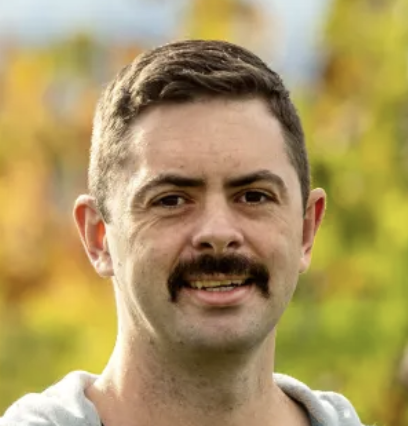
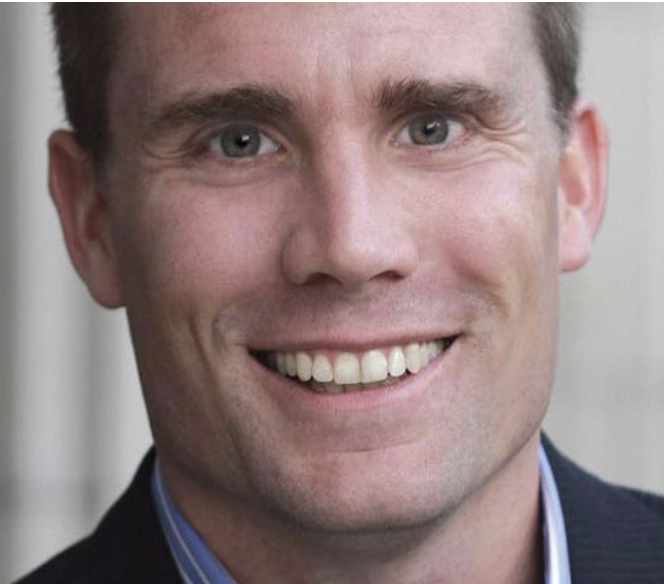
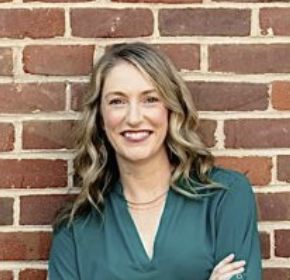
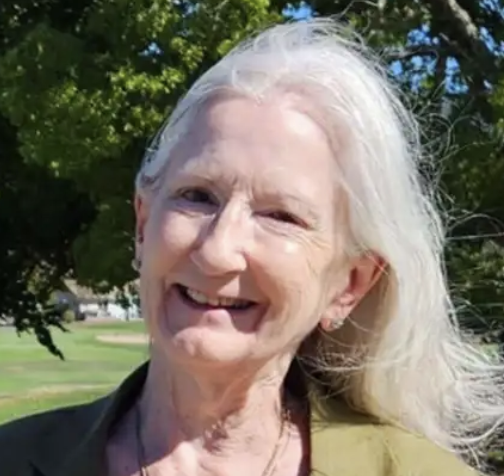
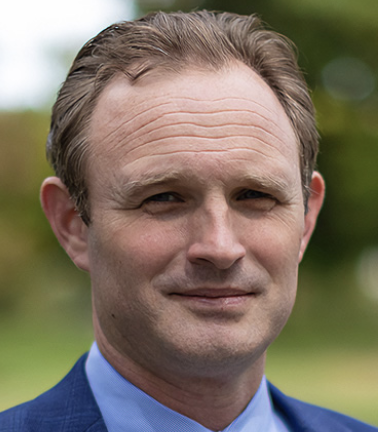
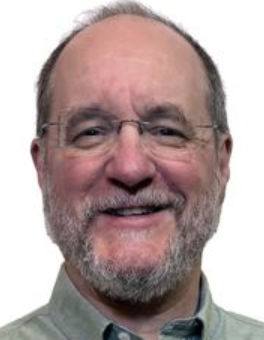
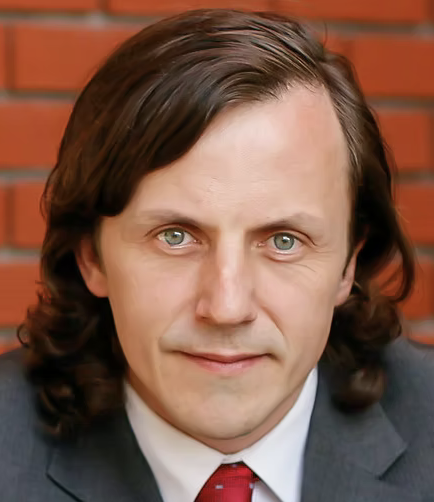
Top row (from L to R): Kyle Wilson, Mike McGuire, Audrey Denney Bottom Row (from L to R): Janice Karrmann, James Gallagher, Richard T. Minner, Timothy Sean Kelly
Video above: Sen. McGuire pledging to respond to our questionnaire (we are still awaiting his responses) and responding to our questions about forests and wildfire at the April 7th Sierraville townhall meeting
Recently, Feather River Action! sent a questionnaire to candidates running in the June 2nd primary for the new Prop. 50-formed 1st congressional district that stretches from Lassen to Sonoma Counties– including Plumas. Good federal representation for our area is particularly crucial for protection of public lands given the 1 million+ acres of federally managed land in Plumas County alone.
Candidates who responded include Janice Karrmann and Kyle Wilson (who has since dropped out of the race and endorsed Audrey Denney).
Those who have not responded to the questionnaire (as of April 30th) include: Audrey Denney,Mike McGuire, James Gallagher, Richard T. Minner, and Timothy Sean Kelly .
On April 7th at the Sierraville townhall meeting, Sen. McGuirepublicly pledged to complete our questionnaire (see video above), but we still (unfortunately) have not received his responses, despite several follow up e-mails.
If and when we receive these responses, they will be posted here. In 2024, Sen McGuire supported CA Prop. 4 (Parks, Environment Energy and Water Bond Measure) which funded millions of dollars in logging subsidies under the guise of “wildfire mitigation.” At the townhall, he declined to specify whether — if elected to congress– he would continue his support for funding logging on a more than 49:1 ratio to home hardening and defensible space, in spite of the absence of evidence that forest management 100+ feet from homes prevents structure loss, and the strong evidence that evacuation planning, home hardening and defensible space do in fact prevent homes and lives loss in a wildfire.
Though Audrey Denney did not respond to the questionnaire, she did comment on some of the issues at a recent townhall in Quincy, and also responded to prior e-mailed questions. Relevant responses are included following the questionnaire below.
If you are not registered, you can (and should!) register to vote here.The deadline to register to vote for California’s primary election is May 18, 2026. After this date, you can still conditionally register and vote at your county elections office up to and including Election Day.
Feather River Action! 2026 Congressional Democratic Primary Questionnaire (CA-1)
1) Do you support the “Fix our Forests Act” which would decimate environmental protections for forests while putting communities at greater risk?
Kyle Wilson:No. I oppose the Fix Our Forests Act because it pushes a shortcut approach that weakens environmental review and accelerates large-scale “fuel reduction” projects that too often function as industrial logging. In practice, heavy canopy removal can dry forests, increase wind, leave slash, and create conditions where fires can spread faster and burn hotter, especially under extreme weather. It also diverts limited public money away from the measures that most directly protect people.
Alternatives I want to see: a home-focused public safety strategy first, combined with targeted, ecology-forward forest work. That means structure hardening, defensible space, evacuation planning, undergrounding or hardening key infrastructure, and then careful, limited forest treatments near communities where they actually matter. It also means scaling cultural burning and prescribed underburning where appropriate, and using hand thinning in the immediate community zone, not landscape-scale industrial approaches that primarily benefit contractors.
Janice Karrmann: I have lived through two fires in Sonoma County of the three that have occurred since 2017, I do not support the thinning of trees or clear cutting trees as there is evidence of strong environmental damage with both.
Kyle Wilson:Yes. I support legislation that prioritizes community hardening, defensible space, and science-based resilience measures that directly protect lives and property, rather than treating “forest management” as a blanket substitute for public safety.
Janice Karrmann: We are feeling our way when it comes to fire-safe and fire resistance and the Wildfire mitigations put forward. There are people who are terrified in my area that had rebuilt after the Tubbs fire only to have had their homes destroyed a second time. Some people died in the fires here as you probably know. I personally have thoughts that lean toward fire resistant materials and safe practices as well as well as trees not to encroach on buildings or to hang over roofs. I question the 5 ft. Space distance from the house with no planting. I also encourage native plants residentially or commercially though at times the cost may be challenging.
3) The crucial Home Outward report is excellent and required reading for congressional candidates. What is your response to this document? Do you agree with the main premise, that current wildfire policy is damaging forests, making wildfires more dangerous and failing to protect lives and property?
Kyle Wilson:I agree with the core premise of Working from the Home Outward. The report makes a strong case that the dominant approach of suppression plus widespread forest alteration is failing to keep people safe, while the most effective and cost-efficient tools are home hardening and the home ignition zone approach. It also highlights the budget mismatch, including that less than 4% of California’s 2021 fire-related budget was directed to community hardening. I agree with the report’s call for a new, independent task force focused on a central question: which actions produce the greatest public safety benefit per dollar. I also agree with the report’s emphasis that extreme wildfire conditions are when suppression fails, and that ignition-resistant homes and communities are the practical path to preventing disasters.
Janice Karrmann: No.
4) Do you support the Forest Service’s “Community Protection Central and West Slope” Project that would apply herbicides to native shrubs, remove up to 77% of the forest canopy using industrial logging over 400 square miles, including in mature and old growth forest, drying out forests, and allowing wildfires to travel more quickly into communities?
Kyle Wilson:No. I do not support the CPP as described. Large-scale canopy removal, herbicide use, and industrial logging across a vast area risks drying forests, degrading ecosystems, and increasing fire spread toward communities. I align far more with Feather River Action’s emphasis on respectful and widespread underburning and hand thinning in areas immediately surrounding communities and structures, combined with structure hardening, evacuation planning and preparation, and other proven solutions. More broadly, projects like CPP raise a corporate influence problem. When the primary winners are contractors and extractive interests, the public deserves heightened skepticism, tighter oversight, and proof of effectiveness, not faith-based spending.
Janice Karrmann: No, I am not for canopy removal. I find destructions of mature and old growth forests completely unethical and ignorant of environmental concerns, including the animals within that forest as well as the collapse of the forests. In Japan, the old growth trees are revered, especially the Bamboo forests which I have visited. Once the trees have been destroyed, that part of a special biological system is forever gone.
5) Were you aware that as part of the “Community Protection Central and West Slope” (CPP) project, the USFS withdrew their objective to reduce the speed of wildfire spread after commenters raised strong evidence that thinning actually increases the speed of wildfire spread? They essentially dropped the objective rather than changing their project to actually slow down wildfires. Do you have any comment on this?
Kyle Wilson:Yes, I am aware, and it is deeply concerning. Dropping an objective because commenters show the science contradicts the project design is exactly backward. If the science does not support the approach, the approach should change. My general philosophy is simple: the job of a politician is to listen to experts, especially independent experts, and then translate that into policy that protects people. When agencies change the goalposts to defend a predetermined plan, it signals an accountability failure.
Janice Karrmann: No, I was not aware of the project that you mention, but I do know the consequences. Thanks for asking.
6) The CPP is costing $650 million of our taxes on this one project that the science says will fail to prptect communities, while Plumas county is literally having to beg Kiley for $2.5 million to harden less than 1% of the homes in the county, what the science says would definitely protect communities. How would you do things differently? If the government had $10 billion for wildfire defense in CA, how much would you allocate to “forest management” and how much to defensible space and structure hardening? Please provide specific numbers.
Kyle Wilson:This is where current policy is most upside-down. If the federal government had $10 billion for wildfire defense in California, I would allocate at least 70% to defensible space, structure hardening, evacuation planning and preparation, and community protection, and no more than 30% to forest management, with strict ecological safeguards and strong community oversight. This approach also ensures the benefit goes straight to residents and local communities with less bureaucratic waste. If we are spending public money in the name of safety, it should directly reduce home ignition risk and improve evacuation outcomes.
Janice Karrmann: I reserve comment on the numbers. I was present at many meetings after the 2017 fire and I know many who lost everything. I am not familiar with how the figures work for what you describe and without more study, I do not know at this time and reserve comment. I do know fires are front and center in many counties and rightfully so.
7) As of January 2026, US Copper Corp (USCUF) is actively developing its Moonlight-Superior Copper Project in Plumas County, California, recently staking 54 new claims totaling 1,104 acres to support future infrastructure. Such industrial mining would damage the quality of the Feather River which 23 million people depend on for drinking and irrigation? What is your opinion on expanded mining in the sensitive Feather River watershed and how you would stand up to protect the river and rural communities from unacceptable impacts?
Kyle Wilson:I oppose expanded industrial mining in the Feather River watershed. The river is a critical lifeline for rural communities and for downstream drinking water and irrigation. I would fight to strengthen environmental review, enforce strict water protections, and block projects that pose unacceptable risks to water quality and ecological health. I also support a stronger overarching principle: corporate executives should face personal liability for environmental abuses and damage. If decision-makers can externalize harms onto communities while keeping profits private, the incentives will never change.
Janice Karrmann: I am familiar with the environmental devastation of mining, especially copper mining, as well as removing mountain tops to mine. There is environmental devastation that occurs with the mining process and the threat to the surrounding area is no joke. For many years after mining, it is a slow road back. I think people have to be very well informed and continue to follow the situation and act on it with intention.
8) If a team of reputable climate scientists told you that to avoid irreversible and devastating impacts to the climate that could put civilization and possibly human survival at risk, we would need to either partly or completely de-industrialize our economy, would you support that? Renewables have generally not been displacing fossil fuel emissions, only absorbing the growth in demand, so assume for the purposes of this question that only partial or complete de-industrialization would prevent collapse, and that a shift to renewables could not prevent catastrophe, only de-industrialization?
Kyle Wilson:I take climate science seriously, including worst-case scenarios. I do not accept false binaries, but I do accept that avoiding collapse means confronting over-consumption, corporate overproduction, and an economic system built around endless growth. If reputable climate scientists concluded that partial de-industrialization was required to preserve human survival, I would support that transition, with the burden placed on corporations and the wealthy, not working people.
On a personal level, I believe industrialization and consumer culture have had a net negative effect on human well-being and community life. That is why I put real weight on local resilience, mutual aid, and community building. I am involved in grassroots organizing, including with DSA and neighborhood initiatives, because I believe bringing power back to the people is how we build the social capacity to make hard transitions without cruelty.
Janice Karrmann: No, not completely. Georgia right now I think has so much indication of being in urgency on the topic with the current fires as well as AI infrastructure and huge money flowing to that state.
9. Would you support expanding the Marin predator program that prohibits killing of predators by ranchers but provides financial assistance for dogs, llamas, and other deterrents (that have reduced predator killings by 62%). Do you support protections for wolves in California who are just making a comeback and are critical to ecological health? Or should wolves be killed just because ranchers do not properly protect their herds? What do you think of the botched killing of the Beyem Seyo pack by CDFW recently? What do you think of the federal “wildlife services” program that is responsible for killing millions of animals at the behest of industry every year?
Kyle Wilson:Yes, I support expanding programs like Marin’s predator coexistence model that reduce predator killings while supporting ranchers with non-lethal deterrents. I support strong protections for wolves in California as they return and as an essential part of ecological health. The killing of the Beyem Seyo pack was unacceptable. I also want to name the competing values honestly. I love wildlife and nature and I believe all life is sacred. I also recognize the need to protect small farmers and ranchers, especially as corporate consolidation squeezes them. That is exactly why coexistence programs are the right path. They protect ecosystems and support rural livelihoods without defaulting to lethal solutions. I strongly oppose the federal Wildlife Services program as currently structured, which too often prioritizes industry demands over science and ecological balance.
Janice Karrmann: Yes, I support the reduction of the predator killings with the help offered. Protections for wolves, yes. I am for stop the killings of the mustangs, horses.
10. Would you support increased federal penalties for dumping chemicals, phase out of harmful rodenticides, and added restrictions on industrial activity near sensitive river habitats?
Kyle Wilson:Yes. I support increased federal penalties for dumping chemicals, phasing out harmful rodenticides, and added restrictions on industrial activity near sensitive river habitats. And again, I support personal liability for executives when companies poison communities or destroy habitat. Fines alone are often just a cost of doing business.
Janice Karrmann: There was a huge case here in Santa Rosa from a cleaner that had let their chemicals flow…..aka into the water supply and was sued by many. No one is above the law. That includes gas stations that allow the environmental problems with their underground tanks leakage We had another case that is familiar here in Santa Rosa with that scenario with a Kenwood (a small Valley of the Moon town) gas station. No I do not support industrial activity or toxic chemicals to be used near rivers or creeks as creeks also need to flow freely and sustainably healthy/
11. Would you support the FCC re-examining their outdated and obsolete safety guidelines for wireless microwave radio frequencies used by cell towers and other wireless communications, given the widespread evidence that current levels are not sufficient to prevent harm, especially to children, animal and plant species, and other vulnerable populations?
Kyle Wilson:Yes. I support the FCC re-examining outdated safety guidelines using the best available independent science, with particular attention to children, wildlife, and cumulative exposure effects. Public health standards should not be frozen in time due to industry convenience. More broadly, this is why we need new voices. Our regulatory structures should be regularly and critically examined based on evidence, not inertia.
Janice Karrmann: Yes I support scientific study of the effects of many kinds of radiation including EMFS(PG&E), Microwave, Drone technology effects and all others identified.
12. Given the gap between the science and public policy (especially on forest and wireless issues) do you support open and honest dialogue with constituents on these issues and a focus on the truth and the science no matter what your corporate donors/ lobbyists say?
Kyle Wilson:Yes. I strongly support open and honest dialogue grounded in science, even when it conflicts with corporate donors or lobbyists. I believe the gap between science and policy exists largely because money distorts whose voices are heard. This is a problem with both parties. Truth-to-power is fundamental to my campaign. It is time to stop telling people what they want to hear and start telling the difficult truths they need to hear.
Janice Karrmann: Yes, to open and honest dialogue.
13. Do you support our goal of returning the Feather River watershed to optimal ecological health, and how many institutions / corporations are you willing to piss off to do so?
Kyle Wilson:Yes. I support returning the Feather River watershed to optimal ecological health. I am willing to confront powerful institutions and corporations to do so. That is the job. I have already called out leadership failures from both Democrats and Republicans, and I began this race as an independent. My allegiance is to the people, not to party leadership or donor networks.
Janice Karrmann: Yes, we have done a well-examined good job of returning salmon habitat in Sonoma County which extends to the mouth of the Russian River.
14. Do you support the expansion of biomass energy (turning forests into electricity)?
Kyle Wilson: No. I do not support expanding biomass energy. Turning forests into electricity is polluting, expensive, and often used to justify destructive logging rather than real solutions that protect communities and cut emissions.
Janice Karrmann: Decline to state as I do not know the topic well enough.
15. Do you support non-violent but disruptive protests, general strikes etc. to respond to the growing threat of fascism at the federal level? How would you respond to the Trump administration’s illegal and unacceptable attacks on people and the environment?
Kyle Wilson:Yes. I support non-violent but disruptive protest, including general strikes. These tools have historically been essential in confronting authoritarianism, defending civil rights, and forcing change when institutions fail. I have attended many rallies and protests here in Santa Rosa, and I am actively working with Sonoma County DSA to organize. If any administration carries out illegal or unconstitutional attacks on people or the environment, I believe organized, collective resistance is legitimate and necessary.
Janice Karrmann: Yes, I sincerely appreciate everyone who stands up non-violently and finds their voice to PROTEST.
16. Given the affordability crisis hitting working families hard, do you support taxing the rich, (eg. taxes on second homes, higher incomes, etc.?)
Kyle Wilson:Yes. I support taxing the wealthy, including higher taxes on high incomes, second homes, and concentrated wealth, to address affordability, fund public goods, and reduce inequality. These are policies I have advocated for consistently since entering the race in July of last year, including: a 99% tax on wealth over $1 billion, a wealth tax starting at $50 million, eliminating the depreciation deduction for investment properties, and closing the “buy, borrow, die” loophole.
Janice Karrmann: I do support taxing the rich, but not the way it has been presented. A slippery slope when we attempt to interfere in my thinking. AI is making teenagers very rich and some are making their money in other countries. People with money (lots of it) as McKenzie (former wife of Bezos are doing a great job of giving away lots of money for good causes. We need more people who step up to do that. I do not want a poor country (I lived in Indonesia) to be the USA and the tycoons of our current century launch a life in another foreign country where there is no expectation of their taxes to be paid in any big way.
“To the People in Support of the Feather River and Beyond:
Thank you for including me in your survey for your area. I was very excited to receive your letter and shall respond. I have strong roots in both water, water resources and the beautiful forests that provide so much in air quality, soils and water preservation. My mother went back to school after raising many children and was one of the first Environmental graduates when the program was first taking shape in Sonoma County. I learned so much from my mother, but I also took forestry in a different state which is also heavily forested state.”
Addendum: Audrey Denney’s prior e-mailed responses to FRA!:
“I appreciate how seriously you’ve engaged with the science and with the real challenges communities like Portola and Quincy are facing. I want to be clear that we are aligned on the importance of home hardening and defensible space as the most effective tools for protecting lives and structures.
You are correct that the strongest peer-reviewed evidence shows that home hardening and defensible space immediately around structures are the most effective tools we have for protecting lives and homes. That should be the first and most consistently funded line of defense, and I strongly oppose the way Republican leadership has underfunded these measures while directing billions toward large-scale commercial logging projects that do little to protect communities and, in many cases, actively worsen climate and fire risk. Where I want to be very clear is that my focus is not on logging-for-logging’s-sake, nor on repeating timber-industry talking points. It is on restoring healthy, resilient forest ecosystems at scale. Right now, many of our forests are so degraded that they have flipped from carbon sinks into carbon sources, with megafires releasing decades’ worth of emissions in a single event. That is both a wildfire crisis and a climate crisis. (see FRA response to this comment below) Restoring forest health means rebuilding ecosystems that more closely resemble pre-colonial conditions: greater species diversity, open meadows, intact watersheds, and functional wildlife habitat. Those landscapes burned differently, more frequently, and far less catastrophically than what we see today. When forests are ecologically resilient, they help moderate fire behavior rather than amplify it.
At the same time, forest restoration alone is not enough. The megafires we’re seeing are the result of multiple conditions converging at once: climate-driven heat and drought, degraded ecosystems, development patterns that put homes in harm’s way, and failures of corporate accountability. Any serious wildfire policy has to address all of those factors together. That includes aggressive climate action, sustained investment in home hardening and defensible space, science-based ecological restoration, and holding entities like PG&E accountable for their role in ignitions and infrastructure risk. I’m looking forward to continuing this conversation in Quincy on Sunday. I appreciate your engagement and your insistence on grounding policy in real science, that’s exactly the kind of dialogue we need if we’re going to keep our communities safe.”
Note: When asked about it at a recent Quincy Townhall meeting, Audrey Denney told the crowd she “liked parts of the ‘Fix our Forests Act.’”
FRA! Response to Audrey Denney’s comments:
Audrey seems to be operating under the assumption that large, high-intensity wildfires significantly reduce forest carbon storage and that fuels reduction is the solution. To clarify the facts around this issue, we suggest reading the John Muir Project’s Technical Report titled ‘The Myth of Catastrophic Wildfire.’ Facts #8-#11 are especially applicable. This study highlights how less than 2% of tree carbon is consumed in wildfires, while thinning projects often remove (and release to the atmosphere) 30-50% or more of tree carbon. This low combustion rate is important because wildfire carbon emissions are often significantly overestimated.
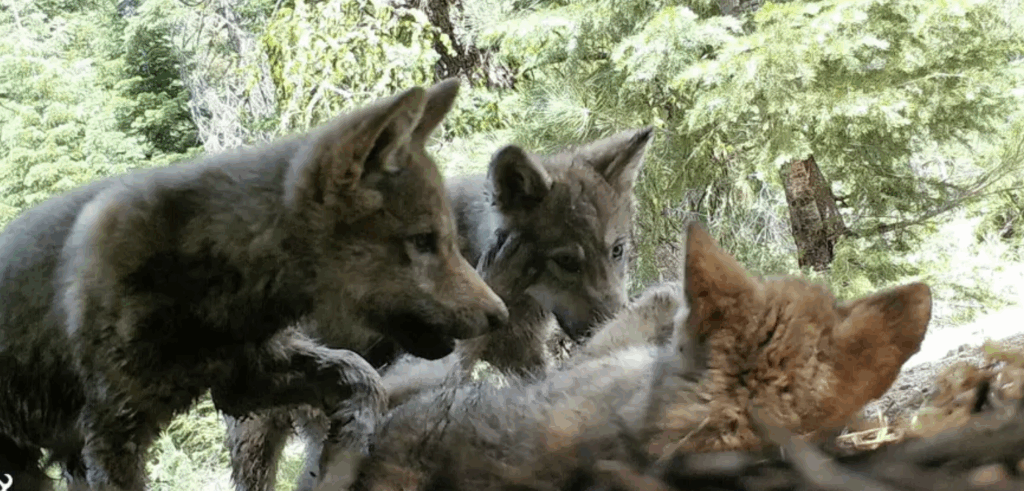
Wolves of the Beyem Seyo pack were murdered this week by state agents.
The Lost Sierra is tragically a little less wild this autumn. The California Department of Fish and Wildlife announced on Oct. 24th that they shot and killed 4 members of the Beyem Seyo wolf pack in Sierra Valley, simply for following their instincts and preying on “free hamburgers” (AKA cows and calves) left out in the valley unattended.
Ranchers and CDFW officials spent “18,000 hours” harassing the wolves with drones, forcing tracking collars on them, shooting them with non-lethal munitions, but apparently failed to try what is widely known as the most effective wolf deterrent, the ongoing presence of Pyrenees dogs and llamas to guard the herd, combined with the old cowboy technique of “riding the range.” If ranchers claim that the herds are too big to defend, then these industrial sized herds are clearly too big-period. If wolves cannot survive even in one of California’s most wild areas, what chance do they have in the state? The County is currently holding 9 Pyrenees pups at animal control. These pups could become cattle protection dogs if trained right, helping wildlife and ranchers to finally coexist.
Death without reason is murder. These (endangered) wolves who included one of only a handful of breeding pairs in the whole state, were murdered unnecessarily by state officials, who initially failed to prevent habituation of the wolves to easy meals, when they knew wolves were in the area. The killings are even more unnecessary, as the cows in Sierra Valley are about to be transported to the central valley for overwintering, and they would not be a food source for much longer this season anyway.
Instead of working with the entire community to come up with a solution, the CDFW have basically become a “strike team” obediently serving Big Ag and destroying even the most sensitive and endangered species in our state. Shame on them.
According to one source, the wolves were shot from a helicopter with tranquilizer darts and then given lethal injections– simply for behaving like wolves. Another three wolves are being removed from their natural habitat and interned in a fenced preserve, according to the same source. The CDFW apparently is well on its way to removing the entire Beyem Seyo wolf pack from the landscape. These kind of unnecessary and damaging attacks on the wild are what our tax dollars are paying for. Now, Plumas and Sierra Counties are known– not as wild areas where wildlife is making a comeback– but as places where endangered species are gunned down from helicopters, and the forest is destroyed because people believe false propaganda by the timber industry that logging will save communities from wildfire.
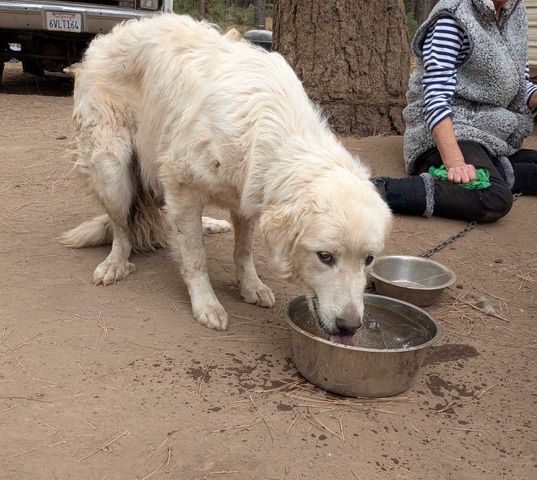
This pyrenees female, neglected by a Portola man, thirstily drinks from water a volunteer brought her as her puppies wait for her in the dust beneath a trailer. Her puppies could instead be defending cattle from predator attacks in the area.
If you live in wildfire country, you have an obligation to yourself, your family, your neighbors, and firefighters to harden your home against fire and maintain defensible space. If you are a rancher who operates in wild areas, you have an obligation to defend your herd against predators of all types, even if it means more work, and to accept that running such operations in wild areas means some risk of loss.
Wolf kills must be horrible and traumatic for the calf, the mother and the whole herd, not to mention the ranchers. We are not cheering the wolf kills by any means. We don’t mean to minimize that, but it is nature, predators are a part of it…we can’t just erase them from the landscape. It is one more reason to adopt best practices for coexistence. Wolves should be eating deer in the woods, not calves, but thinning forests has reduced deer habitat and their numbers are dwindling. The only way to prevent predators killing cattle is having other animals guarding them.
This culture has a tendency– when confronted by natural risks– to lash out against the wild rather than take responsibility for our own role in the problem. Killing wolves and cutting down forests won’t prevent predators or wildfires, it will only make threats more potent. These dysfunctional actions have their roots in manifest destiny and the associated widespread slaughter of Native American men, women, children, and elders only a few generations ago.
This sick, command and control response to nature affects all species. Because industrial logging in mature and old growth forests has led to an extinction threat for the spotted owl, the timber industry’s lapdog the US Fish and Wildlife Service plans to shoot a half million barred owls, the largest wildlife mass killing plan ever carried out by the US Government.
The solution is not to continue killing an endangered species struggling to make a recovery, the solution is to remove the unnatural feature on the landscape (easy hamburger meals undefended by dogs, humans or llamas).
BIG AG out of Sierra Valley NOW!
Large scale ranching of cows in the Sierra Valley:
– endangers the recovery of keystone predator populations
– is a large and growing source of methane and other carbon emissions
– damages meadows– when done on former wetland areas, ranchers use heavy equipment to dig channels and disrupt the flow of water through the land, drying out meadows and losing crucial habitat as well as large quantities of carbon storage.
– pollutes waterways, specifically the headwaters of the Feather River serving the water needs of 26 million Californians
Instead of logging the forest (which makes wildfires more dangerous) we can take personal responsibility for our homes and businesses by installing ember proof vents and other home hardening measures. Destroying forests with heavy equipment is unnecessary and counterproductive.
The CDFW website states:
“The impacted wolves included a breeding pair (WHA08M and LAS23F), female (BEY01F) and male (BEY12M). During the course of the operation, a juvenile wolf (BEY12M) was mistaken for the breeding male (WHA08M), which was of similar color and size, and was unintentionally lethally removed. Remains of two additional juveniles in this pack (BEY15M and BEY17M) were found and they were determined to have died prior to the start of the operation. The cause of their deaths is unknown…..”
So, it sounds like the CDFW killed a juvenile wolf “unintentionally” and it also sounds like they are failing to adequately investigate the deaths of the other two juvenile wolves even though this might have been associated with an illegal killing by local ranchers. So much for the rule of law.
This brings up a lot of questions: Why didn’t CDFW, rather than kill them, relocate the wolves in a different area or a refuge? When they shot the wrong wolf from the helicopter with the tranquilizer, why didn’t they release him rather than than go on to euthanize him? This botched raid smacks of murderous intent and simmering hatred for predators as backdrop to skirting the state’s wolf protection status.
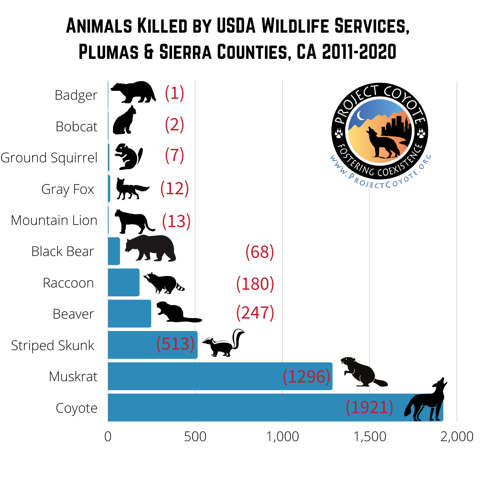
Animals killed on behalf of agriculture interests in Plumas and Sierra Counties 2011-2020
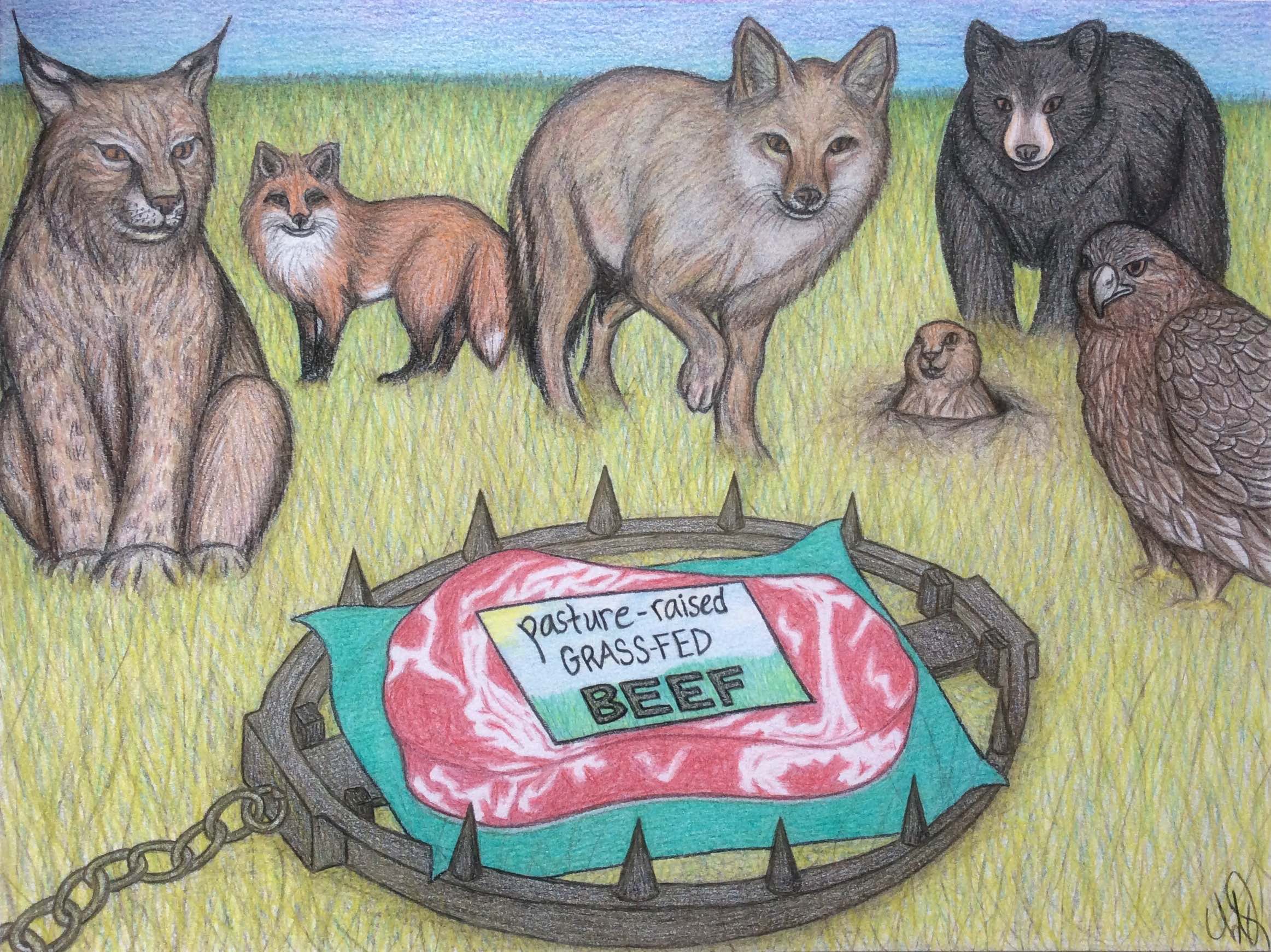
Even without the presence of wolves, the cattle industry is responsible for significant numbers of wild animals being killed at local taxpayer expense. Between 2011 and 2020, more than 4000 animals were killed by federal forces in Plumas and Sierra Counties. Properly protecting herds is the solution to this killing spree, but ranchers don’t want to spend the extra time or money it takes to do it right.
Human supremacy is just as insidious and evil as white supremacy, and does immeasurable harm to the natural world. Both must be fought and defeated.
Lodge a complaint to your state senator and assemblymember and directly to CDFW- DEMAND they leave the remnants of the Beyem SEO pack ALONE and provide direct guidance on a guard dog/ llama program for local ranchers rather than resorting to murder: Jennifer.benedet@wildlife.ca.gov