
Locals Say NO to Conversion of Public Forests to “Privatized and Poisoned” Tree Plantations
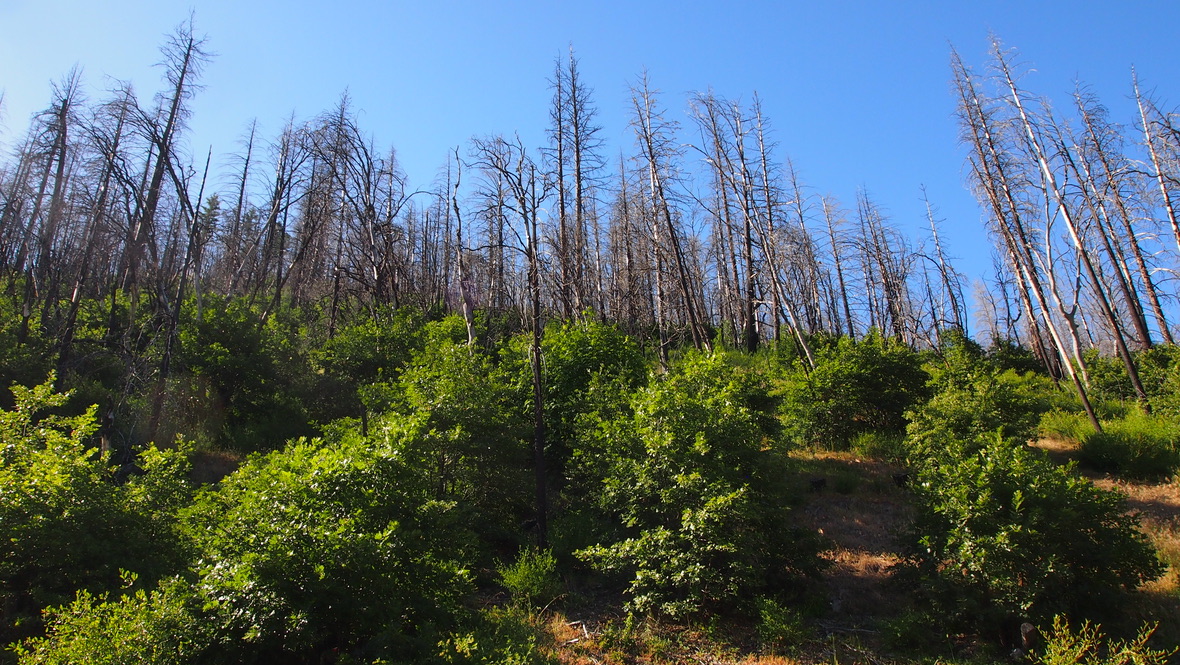
PORTOLA, CA— Recent reports in the national media, including in Mother Jones and on NPR Reveal, and in the local Mountain Messenger, have shed light on the U.S. Forest Service’s (USFS) vastly expanded glyphosate (and other herbicide) spraying on public forest lands. Now, new estimates for the quantity of spraying have been calculated using USFS documents, revealing plans to spray more than 104,224 acres (162 square miles) with more than 1.46 million pounds of carcinogenic herbicides. One of the largest of these plans– what the USFS calls the “Community Protection Project” — is being challenged in court by local groups including Feather River Action! and Plumas Forest Project. Residents, alarmed by the scale of deforestation and herbicide spraying planned for local watersheds, are demanding an immediate halt to all spraying in national forests.
Glyphosate herbicide is designated a “probable” carcinogen by the International Agency for Research on Cancer (IARC). Bayer, the manufacturer of “Roundup” and other chemicals, has been forced to pay more than $12 billion in personal injury settlements to victims of non-Hodgkin Lymphoma and other diseases.
Despite the known health risks, and with little to no intervention from state regulators, Glyphosate and other chemicals are being sprayed on entire landscapes within the Feather River watershed, a source of drinking water for more than 23 million Californians. Satellite images show a huge “round up” scar on the north side of Lake Almanor, apparently resulting from extensive herbicide use on 140,000 acres of private timber production lands, belonging to Collins Pine, surrounding the town of Chester. Rough estimates are that over 1 million pounds of herbicides have already been sprayed on this land, part of the Lake Almanor watershed.

Collins Pine, which is “FSC Certified” and who owns the herbicide-devastated “Almanor Forest” seen in the map above, claims on their website to: “provide key habitat elements needed to support all native animal, plant and fish species.”
Now the U.S. Forest Service is poised to adopt the same intensive, herbicide dependent management practices on public land at a similar scale, without holding a single public meeting to address residents’ concerns.
Backed by only one (withdrawn) safety study, the USFS continues to recklessly push forward with plans to vastly expand its own herbicide spraying on public forest lands in the Northern Sierra, including near communities like Greenville, Lake Davis, Quincy, Cromberg, and Portola, as part of several projects claiming to “improve forest health.”
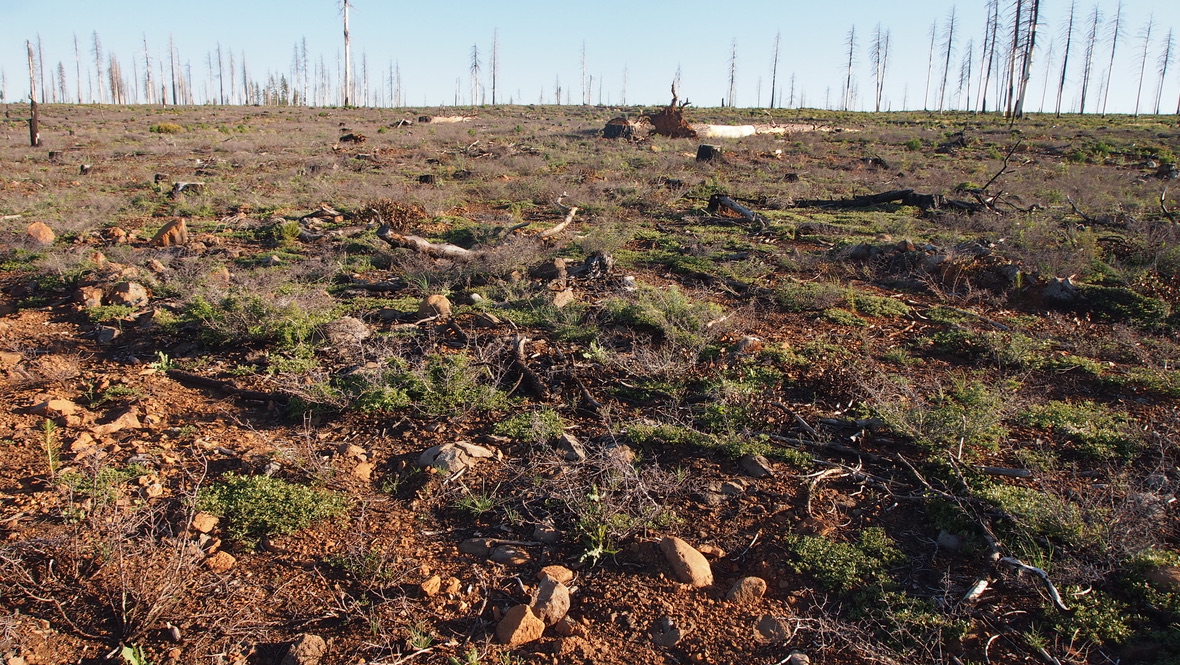
According to Feather River Action! “This is a secret plan by industry to undermine the multiple use mission of the Forest Service. Recreation, clean water, and habitat uses of the forest are being sacrificed for monocrop poisoned plantations that are less resilient to wildfire and would threaten local communities with fast moving wildfire. People spoke out strongly against recent plans to sell off US Forest Service lands and those plans were shelved. This is a de facto privatization and taking of public lands. Lacking specific information on sprayed areas, the public would not know where it is safe to recreate, and could avoid whole regions, with devastating consequences for local economies.”

Local organizations Feather River Action!, Plumas Forest Project, as well as national group John Muir Project are suing the Forest Service in federal court to require the USFS to prepare a full Environmental Impact Statement (EIS) for the so-called “Community Protection Project Central and West Slope” (CPP) project, that includes areas in Plumas, Butte, Sierra, and Yuba counties. An EIS would be required to take a deeper look at impacts from heavy logging, mastication and herbicide spraying over such a wide area. The groups are represented by Deborah Sivas and the Stanford Environmental Law Clinic.
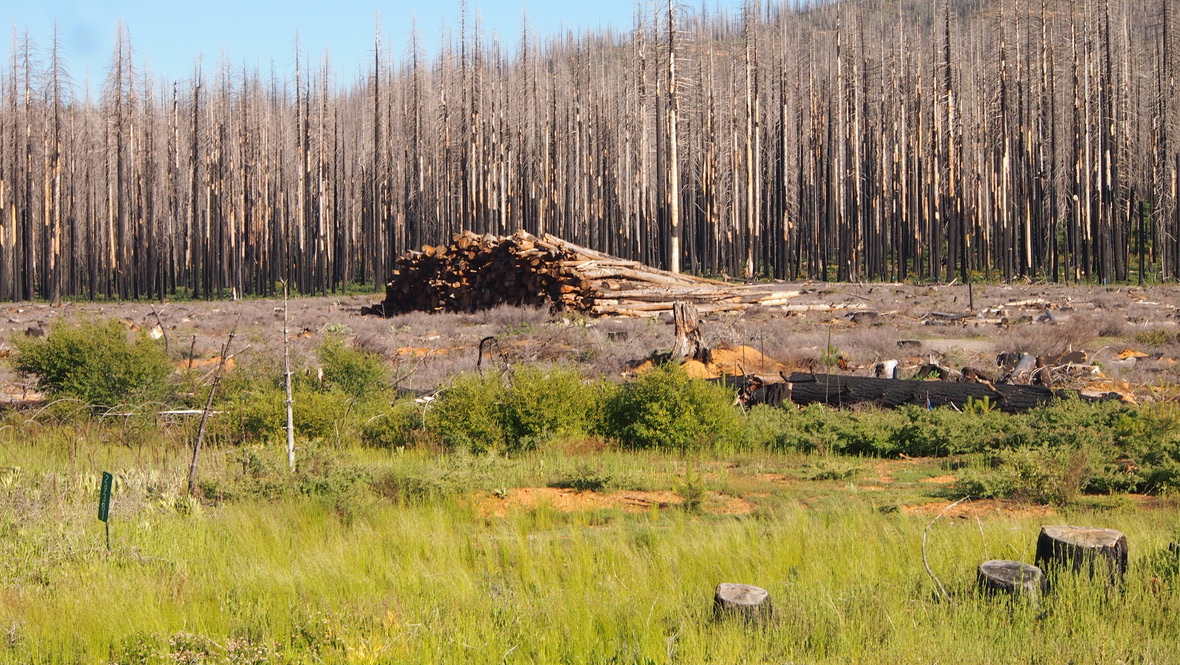
As part of the CPP project, the USFS is spending more than $674 million of public funds to industrially log and spray chemicals over a wide area (logging on 217,721 acres and spraying over 51,000 acres as part of the CPP project alone). Industrial deforestation north of Hwy 70 between Greenhorn and Blairsden has already started, and USFS contractors plan to expand as soon as June 2026 to areas near Portola and the ecologically sensitive Feather River “Gooseneck” area west of the city.

The largest and most pristine ecosystem under threat from tree plantation conversion is the area around Strawberry Valley, up La Porte Rd. from Quincy. It is the only rainforest in the Sierra, with 80+ inches of rain annually.
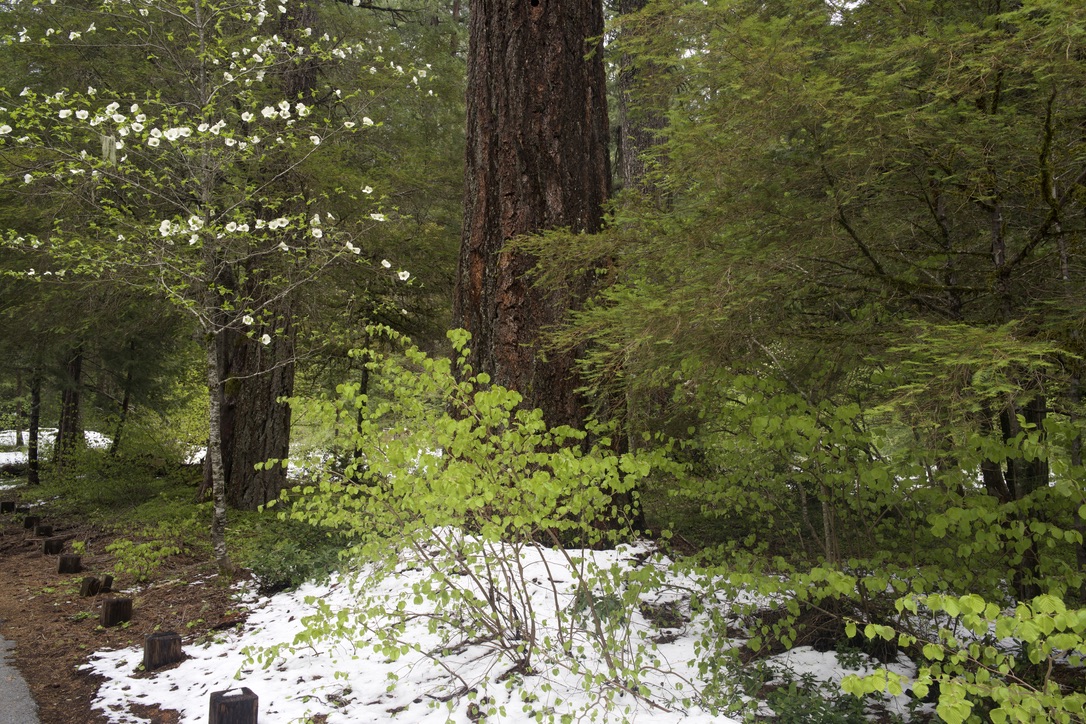

Areas adjacent to the pristine Bucks Lake Wilderness near Quincy, CA are also planned to be heavily sprayed, according to Forest Service maps. The organization, Friends of Plumas Wilderness, did not respond to repeated e-mails seeking comment.
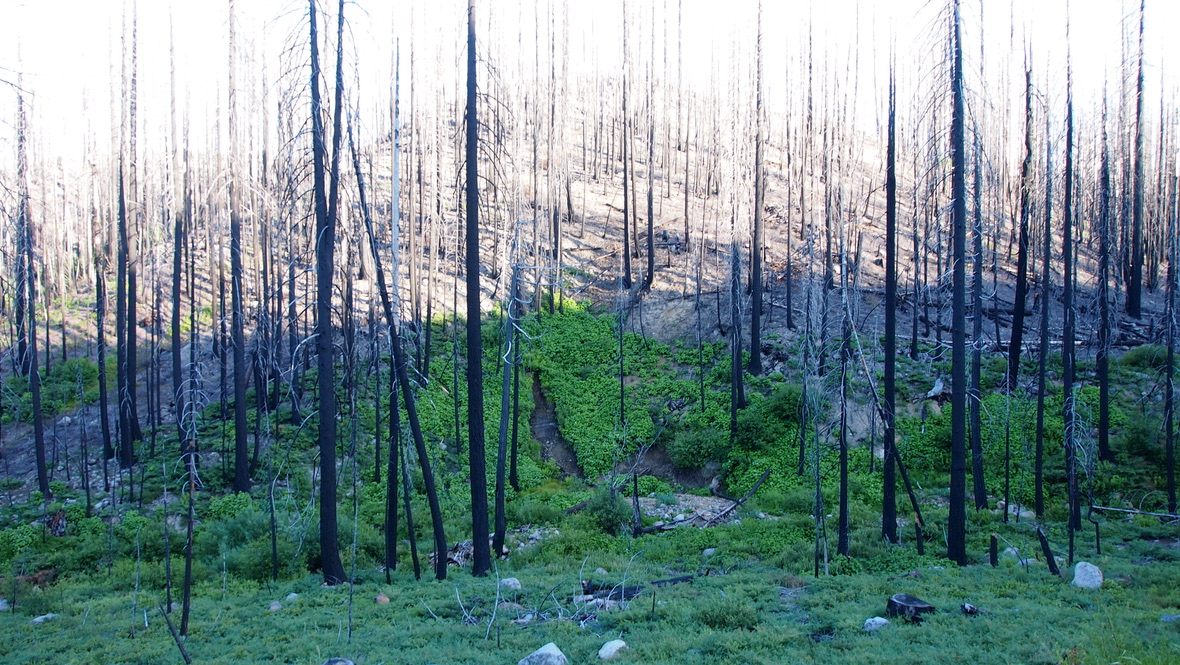
According to Feather River Action: “Areas of old growth and mature forest far from any community are being targeted with herbicides and industrial equipment as part of this so-called “emergency” action. Communities have been demanding public meetings with the USFS, but they have refused to hold even one, and bypassed environmental reviews normally prepared for a project of this scale. The threat posed by the secret herbicide spraying program is a direct result of the deregulation of USFS forest management programs.”
Local environmental groups say this goes to the heart of our failed wildfire safety strategy and timber industry corruption that’s led to public wildfire mitigation money paying for actions like “thinning” and spraying herbicides that would make forests and communities even more vulnerable to climate extremes. They refer to these projects as “wildfire excuse logging.”

These groups say that the projects would actually increase danger to nearby communities. They point to the CPP project, where the USFS withdrew the plan’s objective to reduce wildfire speed after the groups raised several scientific studies showing that thinning increases speeds during a wildfire. Instead of changing their project to actually slow down wildfires (and protect communities) the USFS simply dropped the objective. The speed of wildfires is strongly associated with structure losses and deaths.
There exists no independent scientific evidence that tree or brush removal farther than 100 ft. from structures has any impact on the survival of those structures in a wildfire. Despite this, 98+% of public funding is going to deforestation (including spraying)— often miles from communities. Meanwhile, less than 2% goes to home hardening, defensible space, and evacuation planning—the only proven ways to save lives and property.
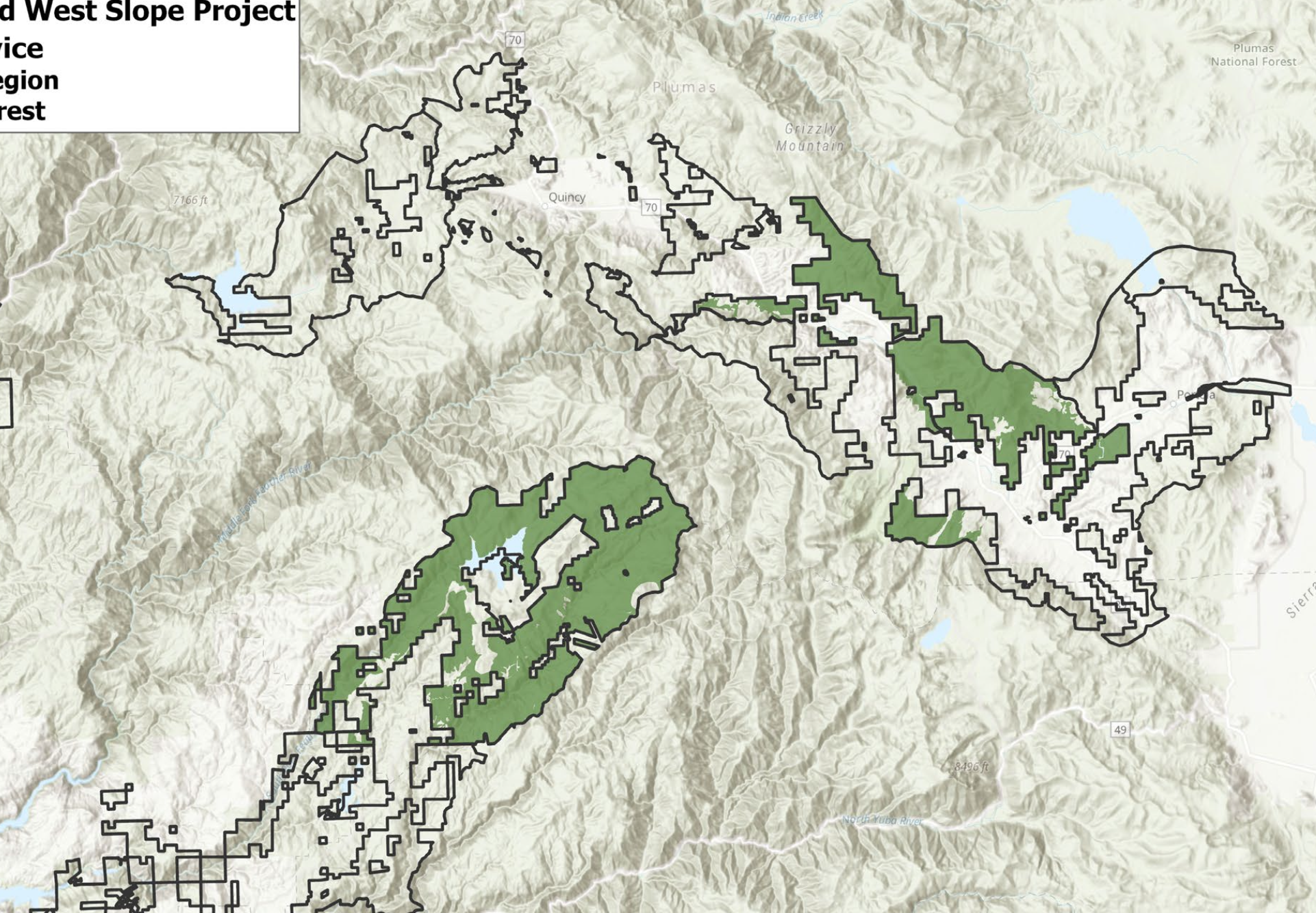
Here is a map of the CPP project, showing treatment areas along the Hwy. 70 corridor (near Quincy, Portola, Blairsden, Cromberg, etc.) and the areas to the west (in the Strawberry Valley area). Areas in green are “emergency” prioritized areas. They are apparently starting with the eastern portion.
FRA! inquired with the USFS multiple times what the total quantity of herbicides planned to be applied in the area would be and they repeatedly refused to disclose this information. Nevertheless, FRA! calculated likely herbicide quantities for areas of the Plumas National Forest and these totals are available below, based US Forest Service public documents.
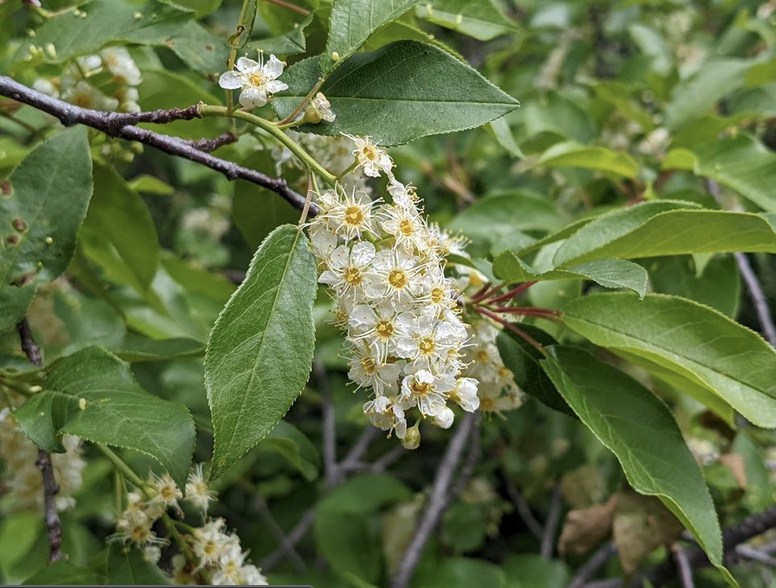
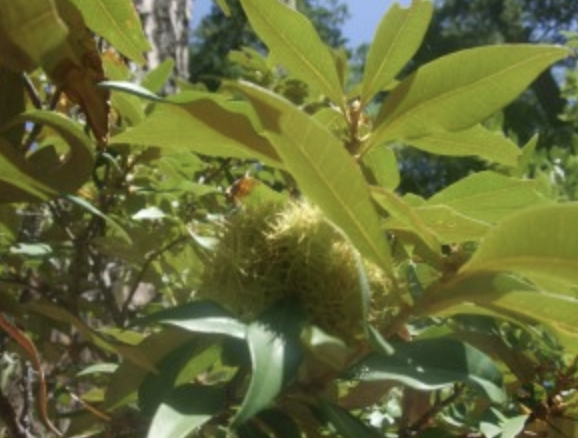
These are some of the native plant species they are targeting:
 These are food for wildlife and necessary inhabitants of forests. They retain moisture and carbon. They should not be killed with toxic chemicals in the public forest for the timber industry to “reduce competition” for the tree crop.


Here is a list of the herbicides U.S. Forest Service contractors plan to use (includes Imazapyr, a substance banned in the EU because of toxicity to humans and the environment):
List of “Restoration” Projects Active in Plumas National Forest (PNF)– (total project acreage / acreage to be sprayed with and est. amt. of herbicides:
Community Protection Central and West Slope (near La Porte, Quincy, Cromberg, Portola, etc.): 217,721 total acres / 51,000 acres to be sprayed with 714,000 lbs+
Community Protection Project Eastside (near Janesville, Milford and Doyle): 57,462 total acres / 6,800 acres to be sprayed with 95,200 lbs.+
Tributaries Project (north of Lake Davis, Genesee, etc): 163,248 total acres/ 19,550 acres to be sprayed with 273,700 lbs.+
North Fork Forest Recovery Project (near Greenville): 166,889 total acres/ 26,874 acres to be sprayed with 376,236 lbs.+
Area of PNF planned to be logged under current major plans: 438,599 acres (685 sq. mi.)
Total forest area to be sprayed: 104,224 acres (162 sq. mi.)
Total amount of herbicides planned to be used on the Plumas National Forest (estimated based on USFS documents showing up to 14 lb/ acre application rates in “reforestation areas”): 1.46 million lbs. (repeated applications not included– which could raise the total to ~14.6 million lbs. — this is the amount contained in nearly three olympic-sized swimming pools, for reference).
TAKE ACTION- Who to Call and What to Say:
1. Contact Plumas Forest Supervsor Laura Schweitzer at 530-283-2050
2. Contact your Congressperson
3. Contact the Plumas County Board of Supervisors at (530) 283-6170 and pcbs@countyofplumas.com
4. Contact the Chief of the US Forest Service at tom.schultz@usda.gov
5. Contact Brooke Rollins U.S. Secretary of Agriculture at (202) 720-7100
6. Call US EPA: (202) 272-0167
7. Call California Department of Pesticide Regulation: (916) 445-4300
8. Call EPA Region 9 Office (Western States) (415) 947-8000
9. Contact Federal Representatives: Rep. Kevin Kiley (CA District 3) (202) 225-2523 Senator Alex Padilla (CA) (202) 224-3553, Senator Adam Schiff (CA) (202) 224-3841
10. Contact Portola City Council: 530-832-4216 citymanager@cityofportola.com
Sample Comments:
Hello, my name is [YOUR NAME] and I am calling from [YOUR CITY/TOWN]. I am calling to express my strong opposition to the Forest Service’s plan to spray glyphosate herbicides across millions of acres of US Forest Service managed public forest lands.
I understand that the Plumas and nearby National Forests are currently coordinating several vegetation management and forest treatment projects that include the vastly expanded use of herbicides. Glyphosate is classified by the World Health Organization as “probably carcinogenic to humans.” California has listed it under Proposition 65 as known to cause cancer. The 9th Circuit Court vacated the EPA’s flawed safety determination in 2022.
This is not only an environmental issue — it is a direct threat to the health of families, children, and outdoor workers in our community. The Feather River — source of drinking water for 23 million Californians, cannot absorb more chemical stressors. The soil microbiome needed for real forest recovery would be destroyed.
I urge you to do whatever you can to immediately HALT any glyphosate spraying on public lands. Please pursue evidence-based wildfire safety measures such as structure hardening, defensible space pruning, and underburning around communities, NOT mechanical logging and poisoning of our watersheds! There are huge environmental and human health risks to such mass chemical applications.
There is zero evidence that killing of trees or brush farther than 100 ft. from structures affects structure survival in a wildfire.
Please record my strong opposition in the official record.
Thank you for your time.
Other actions you can take right now:
— Stay up to date with our e-mail newsletter- subscribe by sending us a brief request.
— Donate to Feather River Action! so we can continue to do this type of reporting and litigation on critical environmental and public health issues.
— Volunteer by contacting us with your skills / how you can help.
— Follow us on Bluesky