Even though there is a pending federal court case to stop the controversial “Community Protection Project,” and despite wet weather meaning more erosion and damage, USFS contractors are plowing ahead, disregarding “mitigations” promised in the EA, ignoring 30″ maximum width limits as seen below and generally devastating the landscape and ecology around Greenhorn that will take hundreds of years to repair.
Report from a supporter:
“Just got back from Greenhorn and the nightmare is real. High value mixed conifer, both ecologically and timber-wise. Full complement of Jeffrey pine, incense cedar, Douglas fir, and sugar pine (which used to be off limits because of being threatened by white pine blister rust). There are tens of acres of them on the ground waiting to be skidded. Will probably start operating again (11/19) (although there’s standing water in the compacted machine tracks). Unit is along well graveled road (not new or reconditioned, though) on road from outside Cromberg. We are above average for rainfall but in spaced out moderate storms.They’re not marking trees or streamside areas. Must be doing it by some kind of designation. “
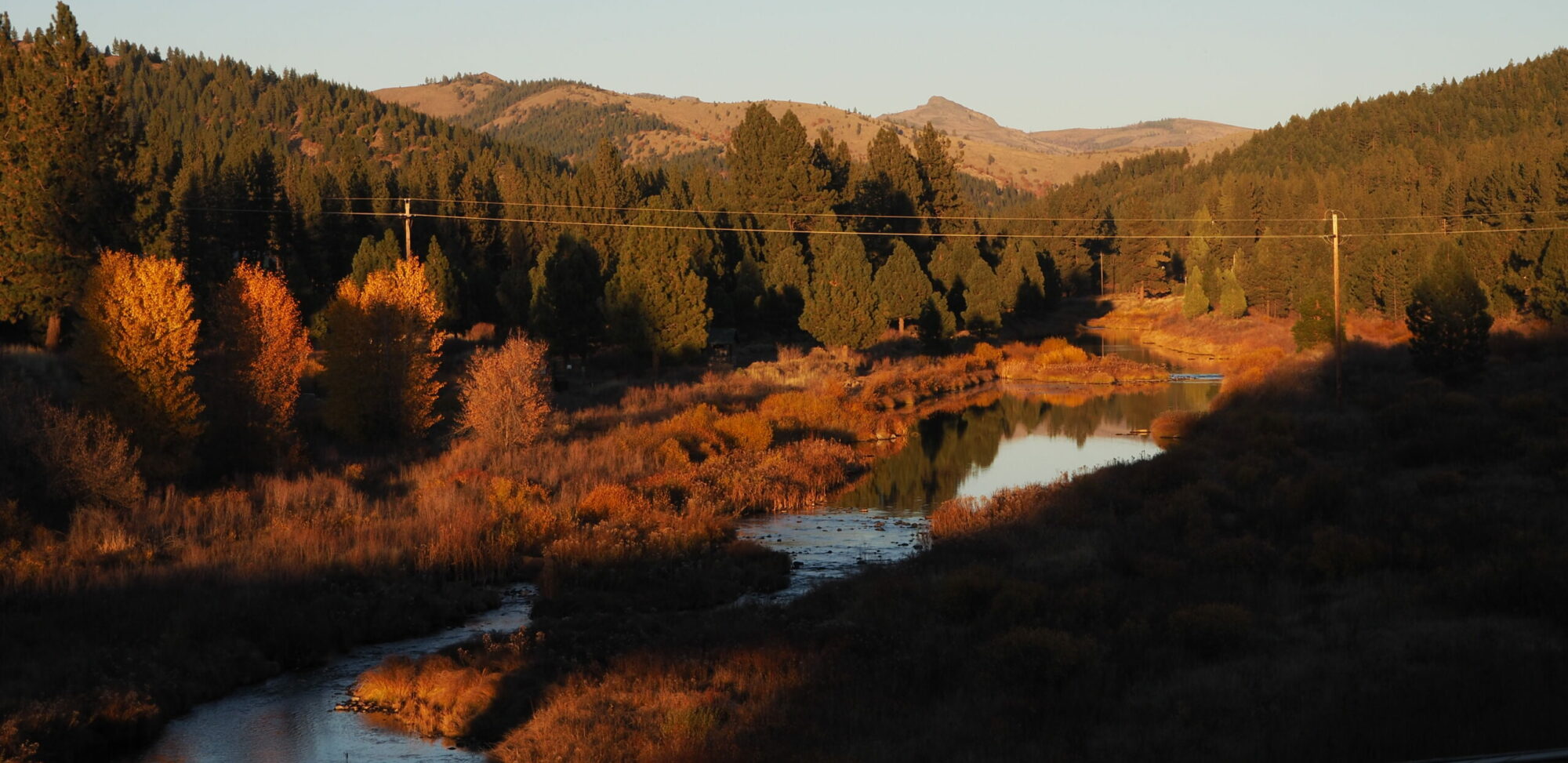
As large machines continue to devastate the forest around Greenhorn, near Quincy, CA, part of the Forest Service’s “Community Protection Project,” we thought it would be a good opportunity to consider what is at stake if industrial logging and herbicide spraying spreads across 400 square miles of the most sensitive and carbon rich habitats in the Sierra, as planned.
Last year, Sierra Forest Action! a grassroots forest defense league based out of Grass Valley, created a presentation about the North Yuba Landscape “Resilience” Project in the Tahoe Forest that includes mapping and analysis of the Plumas Forest’s “Community Protection Project.” This is a meticulously detailed and informative presentation, a rallying cry to save these vanishing habitats critical to climate security, and is essential viewing for anyone who wants to go beyond the deceptive narrative of “hazardous fuels.”
You can download the presentation here in pdf format:
Contrary to Forest Service claims (that logging in old growth and mature areas in being phased out) thislogging appears to intentionally focus on the most remote, oldest and carbon/ moisture/ biodiversity-rich areas:
Map showing overlap between USFS planned logging (red outline) and old growth areas marked in dark green on base map (using canopy height as a proxy)
Pay special attention to slide 26 (above), this shows an overlap between Mature and Old Growth forest conditions (MOG, the darker green) and where logging is planned (red and yellow outlines). There is a very close overlap between canopy height, indicating MOG areas, and planned industrial removal of 77% of the forest canopy.
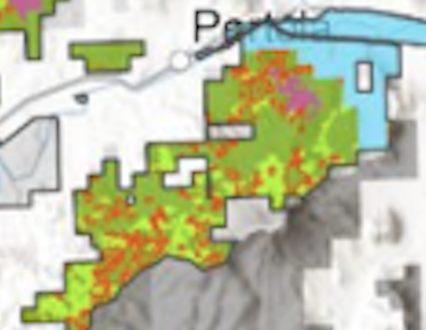
Map of Population Centers and Fire Pretense Logging in the Northern Sierra:
As you can see from the map above, it is not brush clearing and pruning around communities they are planning (as the name Community Protection Project would imply). This is extreme industrial logging in the most wild, sensitive, ancient, rare and ecologically valuable areas in the Sierra.
The priority “emergency” logging areas around La Porte (the southern area marked in red) and containing the largest trees, has been fast-tracked for heavy logging, and is largely nowhere near population centers (marked in green and blue), apparently having little to do with “community protection” and everything to do with using fears of a climate/ wildfire crisis to justify even more aggressive logging.
The La Porte area is a remnant of when the planet’s climate (and continental interiors particularly) were wetter in the past, and it has many characteristics of coastal forests. These lower elevation areas on the western slope with dense, ancient, moist forest, lack the protections of higher elevation areas, and are directly threatened with logging, most likely starting spring 2026, unless the lawsuit that FRA is a plaintiff in, is successful.
Loss of this, one of the last wild, ancient forests in California, would mean a devastating loss of unique animals, plants, and trees, together making up a carbon bomb into the air of 6 million tons (according to USFS own stats). It’s also the state’s primary watershed, supplying 26 million with drinking water. If the forest is disrupted so dramatically, so is well spaced water flow and water retention through droughts. This is truly the last thing we need right now.
Don’t drink the kool-aid. This is devastation — not restoration.
Logging has always made wildfires riskier for communities in the west, from 19th and 20th centuries when most fire-resistant ancient trees, the matriarchs of the forest, were felled. The tradition continues today, but with an Orwellian twist.
The U.S. Forest Service’s industrial extraction projects masquerading as fire safety are neither “protective” of communities nor do they make forests more “resilient.”
Preservation of wild, dense, healthy, forested areas are critical to avoiding the most catastrophic climate outcomes and are thus of regional, as well as global significance.
Please spread the word about what is being done and protect these magnificent forests, California’s hidden — but critical — remnants of biodiversity and vast carbon stores that these projects would damage and release, to our common detriment.
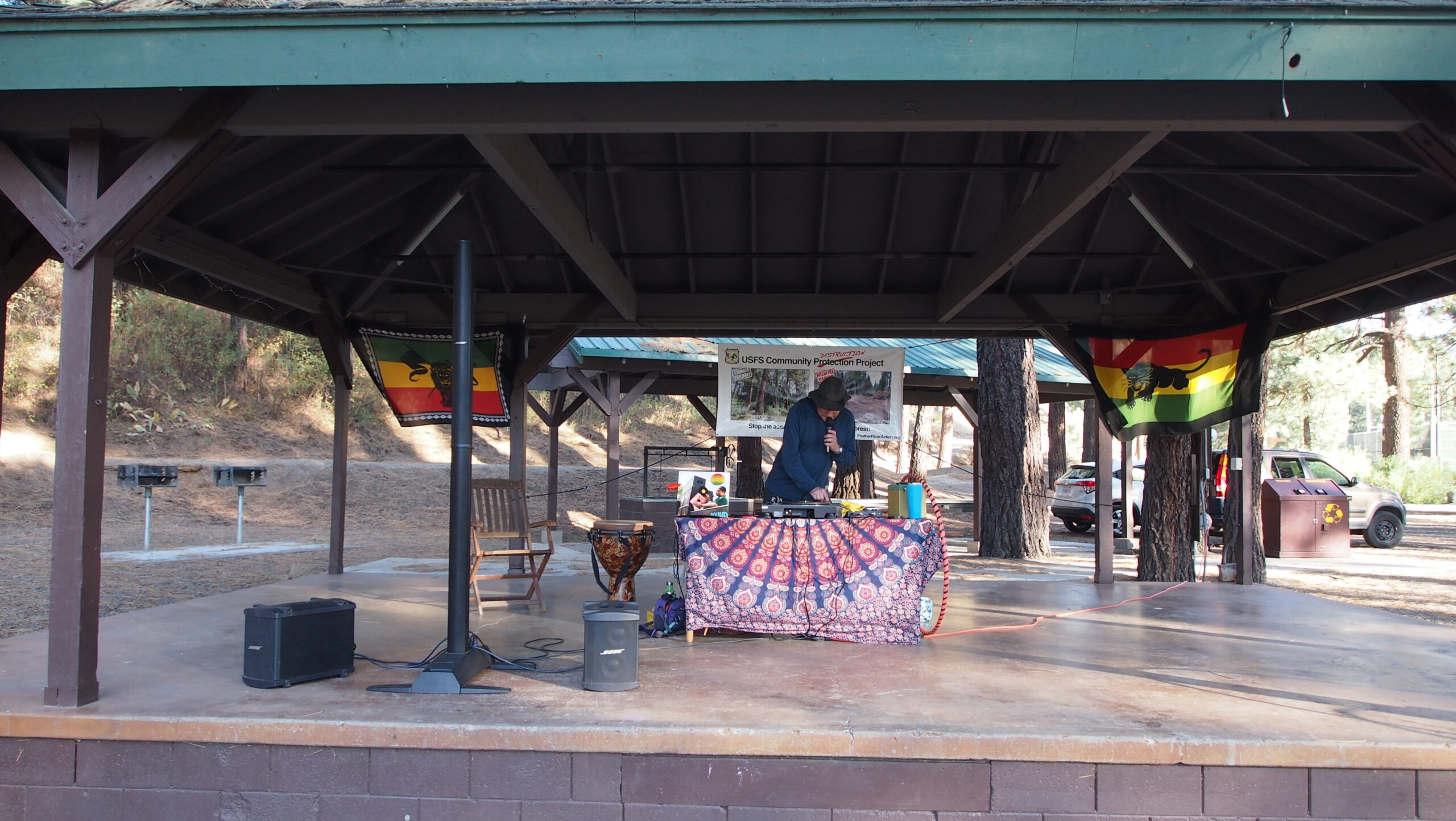
Reggae in the Park: Free! Family Friendly! Roots, Dub, Rocksteady Reggae Vinyl Grooves at Portola Park Sunday Nov. 23rd 1-4pm Benefits Jamaica Donations accepted to support hurricane recovery in Jamaica. Climate justice for all.
We took a walk last month through woodlands that have been “thinned” by the Plumas Fire Safe Council and those areas the USFS is set to treat similarly, and we ask questions about the sanity of those who support such projects, despite growing evidence that these practices put forests and communities at risk.
FRA! contacted Plumas Fire Safe Council (PFSC) for more information about the Iron Horse thinning project. Since these are taxpayer-funded projects, PFSC is obligated to provide this info to the public.
FRA: “Could you please send over details about the project referenced, eg. cost of project, source of funds, etc…? How many acres are we talking about? Also, please feel free to send over any evidence you have that tree removal farther than 200 feet from structures can save structures or lives…thank you”
Plumas Fire Safe Council Board President replied:
“…Your recent requests take time from our staff’s schedule…..We are not obligated to provide this information to you or anyone else on demand…”
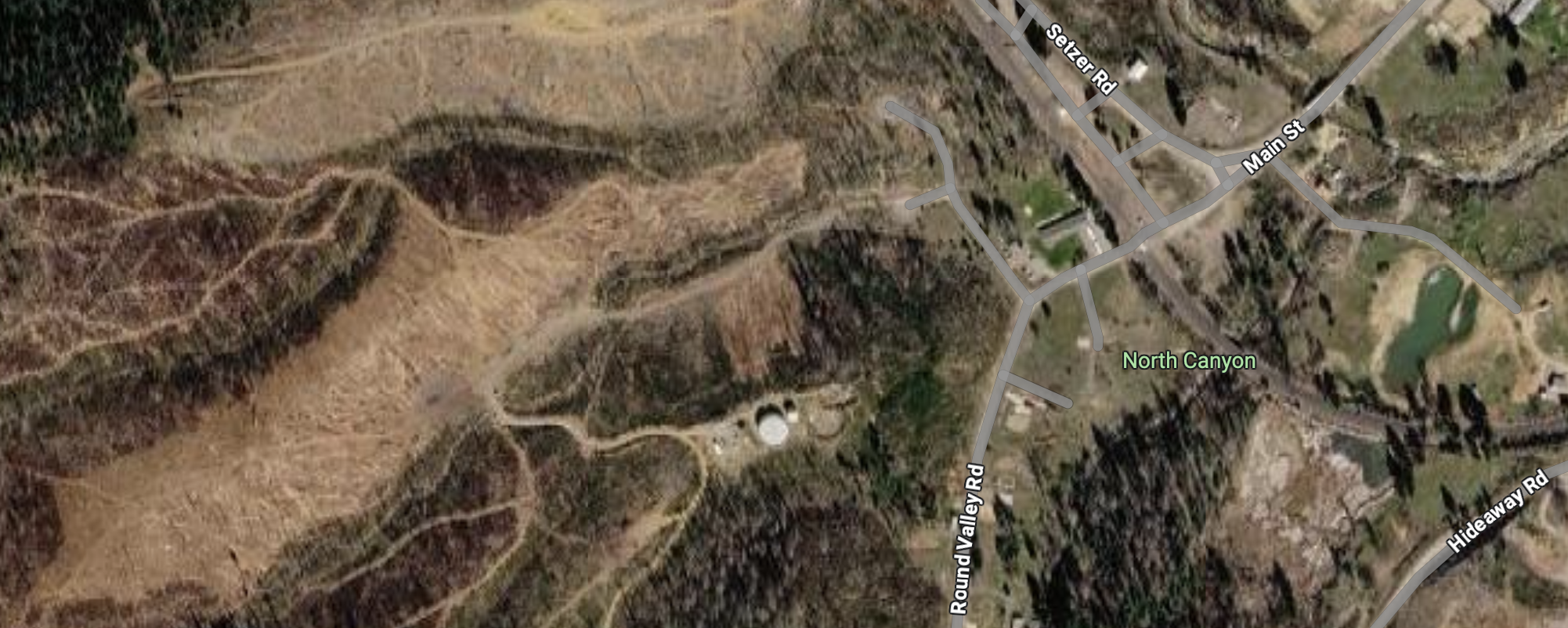
Before and After satellite photos of Iron Horse area logged in 2024: